1. Why Audio Integration Is Critical in Modern IoT Devices
2. PCM Audio Interface Architecture of Cavli C10QM
3. McASP Multichannel Audio on TI CC3200
3.1. Flexible Stereo Multi-Channel Audio Interface>
3.2. Superior Speed anf Accuracy
3.3. Optimize Processing Performance ARM Cortex-M4-Core
4. Audio Specifications Comparison Table between C10QM and CC3200
5. Hardware Design Considerations for IoT Audio Interfaces
5.1. Hardware Design for Cavli C10QM
5.2. Hardware Design for TI CC3200
5.3. General Noise-Resistant Layout Rules
6. Choosing the Right Audio Interface for IoT Applications
6.1. When sould you prioritize Cavli C10QM?
6.2. When is the TI CC3200 the perfect choice?
7. Conclusion: The Future of Wireless Audio Solutions in IoT
1. Why Audio Integration Is Critical in Modern IoT Devices
In the practical implementation of IoT, many problems cannot be solved solely with digital data. When systems need to interact directly with humans, audio and voice become the fastest, most natural, and effective communication channel. Devices such as smart intercoms, cameras with two-way audio, remote monitoring gateways, medical care devices, or emergency alert systems all have clear requirements: stable audio transmission and reception, low latency, and sufficiently good quality under all connection conditions.
From a technical perspective, integrating audio in IoT is not just about “having a microphone and speaker,” but a comprehensive problem involving bandwidth, latency, processing resources, power consumption, and hardware costs. A poorly designed audio system can lead to echo, distortion, significant delays, or even overload the MCU/SoC, directly impacting user experience and product reliability.
Essentially, wireless audio transmission in IoT devices still relies on core signal processing principles (as illustrated in the diagram below). However, with the development of digital technology, modern modules such as the Cavli C10QM using PCM communication or the TI CC3200 using McASP have made audio encoding and decoding much more efficient and higher quality than traditional methods.
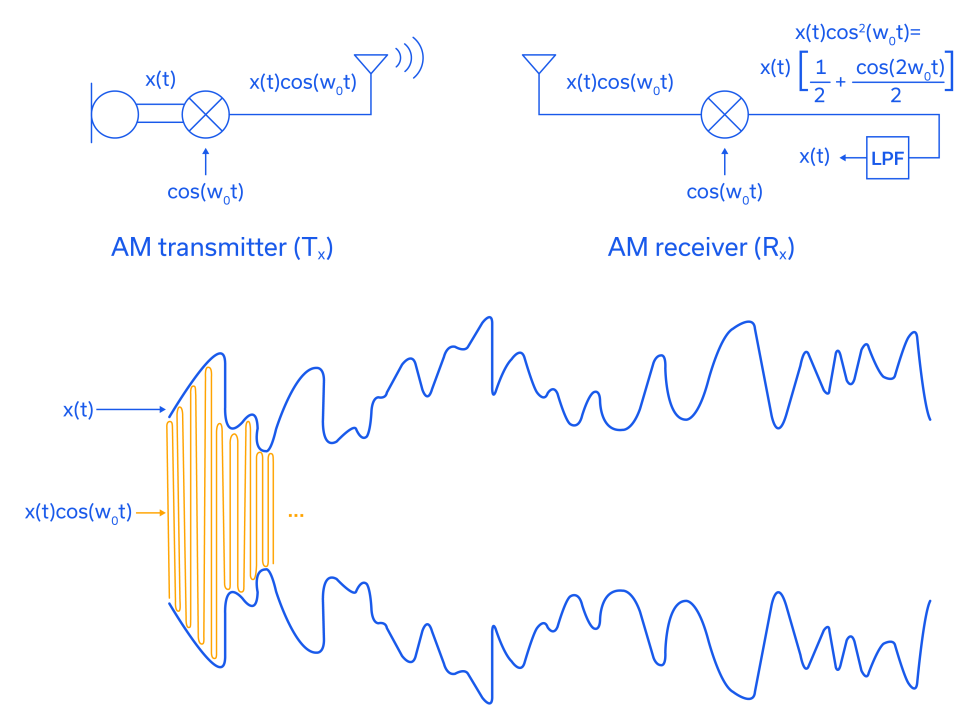
Schematic diagram of AM wireless audio signal transmission and reception in IoT devices.
Therefore, choosing the connectivity platform (Cellular or Wi-Fi) and internal audio interface (PCM or McASP) becomes a strategic decision right from the design stage. For devices operating in the field without a fixed network infrastructure, LTE Cat 1 connectivity offers advantages in coverage and stability. Conversely, in indoor environments or systems already equipped with Wi-Fi, a Wi-Fi solution can optimize costs and simplify deployment. Similarly, the use of simpler PCM or more flexible and powerful McASP will directly affect audio scalability, number of channels, clock synchronization, and hardware complexity.
Therefore, the question is no longer “which platform is more powerful,” but rather which solution is more suitable for the actual usage needs. In this context, comparing two typical approaches — Cavli C10QM (LTE Cat 1) and TI CC3200 (Wi-Fi) — helps clarify the trade-offs between connectivity, audio architecture, and system cost, thereby determining the optimal choice for each specific IoT scenario.
2. PCM Audio Interface Architecture of Cavli C10QM
The Cavli C10QM is not only a powerful LTE Cat 1 module but also optimally designed for voice messaging and digital audio applications. The core of the C10QM’s audio processing capabilities lies in its PCM (Pulse Code Modulation) interface.
Hardware Architecture and Chipset
Based on the functional block diagram, the Cavli C10QM is built on the Qualcomm MDM9207 chipset with an ARM Cortex A7 processor. Audio signals are processed through the Modem system (Hexagon DSP) and output through a single PCM port.
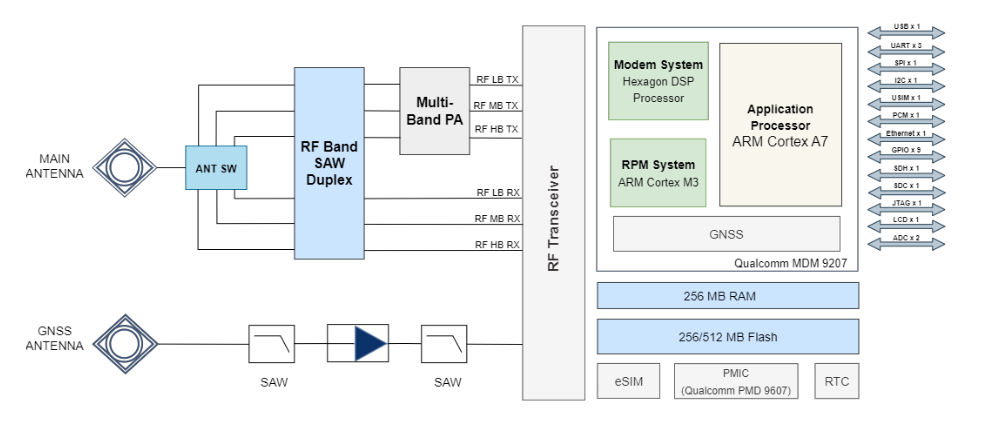
Functional block diagram of the Cavli C10QM module integrating PCM communication and Qualcomm chipset.
The use of PCM communication allows the C10QM to transmit raw audio data to external codec chips with the highest fidelity, minimizing latency – a crucial factor in VoLTE voice calls. Additionally, the Cavli C10QM is designed around the Qualcomm MDM9207, a highly integrated LTE Cat 1 SoC, aimed at industrial IoT applications requiring stable connectivity, voice support, and low power consumption. This chipset integrates an ARM Cortex-A7 (32-bit) CPU, handling control, protocol processing, and system management tasks.
Audio processing architecture
A key feature of the C10QM’s architecture is the separate audio processing pipeline between the CPU and modem:
- The internal Hexagon DSP in the modem is responsible for: Real-time voice processing, noise suppression, echo cancellation, and automatic gain control (AGC).
Hexagon DSP audio processing architecture in the Qualcomm chipset ecosystem.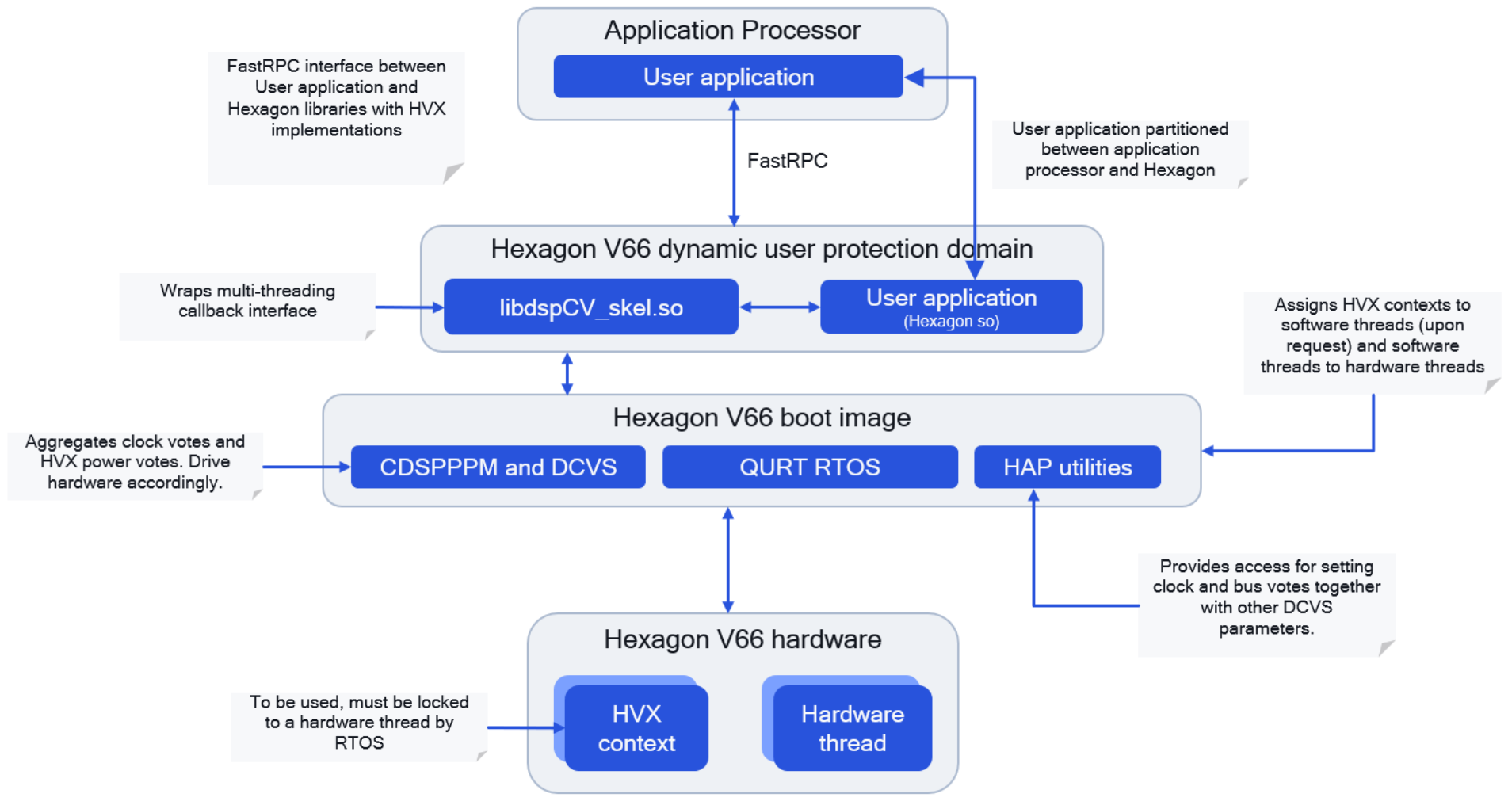
The audio processing power of the Cavli C10QM comes from Qualcomm’s Hexagon DSP architecture (see system architecture diagram). Unlike conventional CPU audio processing, the Hexagon aDSP is a dedicated processor that separates the audio data stream from other system tasks. This ensures continuous, uninterrupted encoding/decoding (Codec), optimizing performance for VoLTE or industrial intercom applications.
- The Cortex-A7 CPU only acts as a coordinator, configurator, and application communicator, thereby reducing CPU load and increasing stability for extended VoLTE calls.
Like dedicating an ambulance lane on a highway, the C10QM’s architecture ensures that audio signals always flow as quickly as possible, unaffected by congestion from other application data. The separation of the audio pipeline between the application CPU and the modem system (containing the DSP) in the architecture of the Cavli C10QM (based on the Qualcomm MDM9207 chipset) is an optimal design for industrial IoT, effectively meeting the requirements for low latency and high reliability, which are crucial in IoT voice systems such as intercoms, eCalls, and remote monitoring devices.
PCM Audio Interface
The Cavli C10QM module provides a unique PCM (Pulse Code Modulation) digital audio interface, a deliberate design choice optimized for specialized telecommunications applications. This interface transmits raw, uncompressed digital audio data, directly synchronized with the system clock to minimize jitter and ensure accurate timing for voice calls.
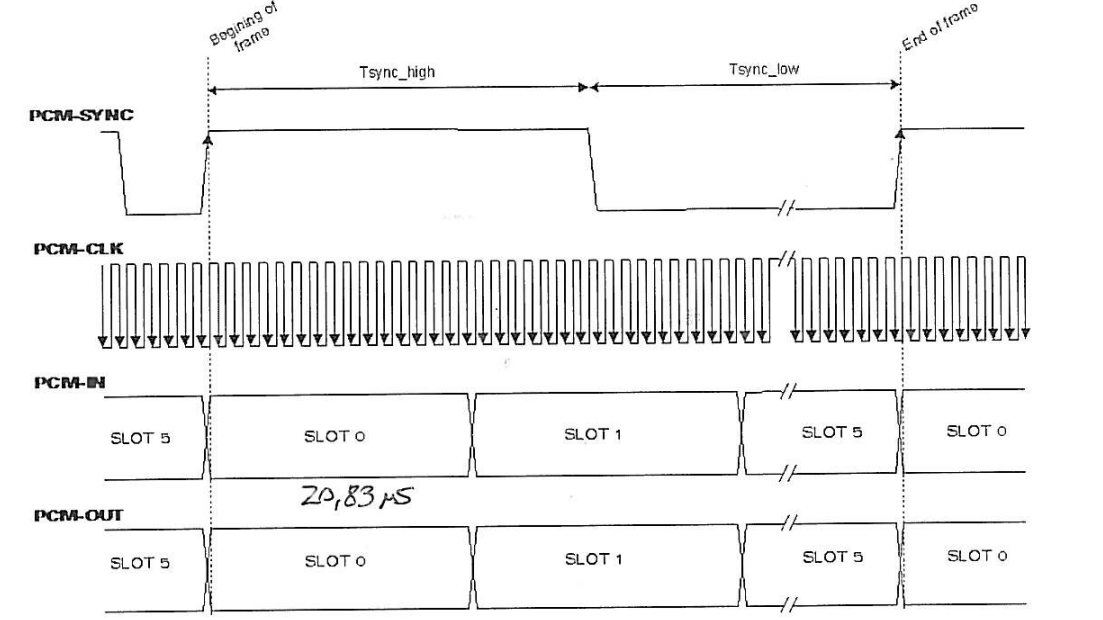
PCM Frame Waveform
Typically, the PCM interface on the C10QM supports standard specifications such as 8 kHz or 16 kHz (suitable for both narrowband and wideband voice) with a 16-bit sample rate. Additionally, the module offers flexible Master and Slave modes, allowing designers to easily connect to external audio codec chips from reputable manufacturers like TI, NXP, or dedicated audio amplifiers and ICs for voice applications.
The lack of an integrated analog codec offers strategic advantages for developers. It allows for complete control in selecting codec components to meet specific audio quality requirements and optimize the Bill of Materials (BOM) for different product segments. Simultaneously, this architecture makes it easier for the device to achieve VoLTE certifications and carrier approvals due to the separation of functional blocks.
From a system design perspective, this architecture requires a particular focus on hardware. Designers need to add external audio codec chips, leading to the need to design additional analog circuits for microphones, speakers, and amplifiers, and demanding more stringent noise-canceling layout techniques to protect the audio signal. However, these efforts will result in extremely stable voice quality, less reliance on application-level audio processing firmware, and reliable device operation in 24/7 environments.
3. McASP Multichannel Audio on TI CC3200
While the Cavli C10QM focuses on the stability of telecommunication voice calls, the TI CC3200 is a powerful Wi-Fi SoC (System-on-Chip) solution aimed at providing a flexible multichannel audio experience through its McASP (Multichannel Audio Serial Port) interface. This is one of the core components that makes the CC3200 the heart of “Wireless Audio” applications and home entertainment IoT devices.
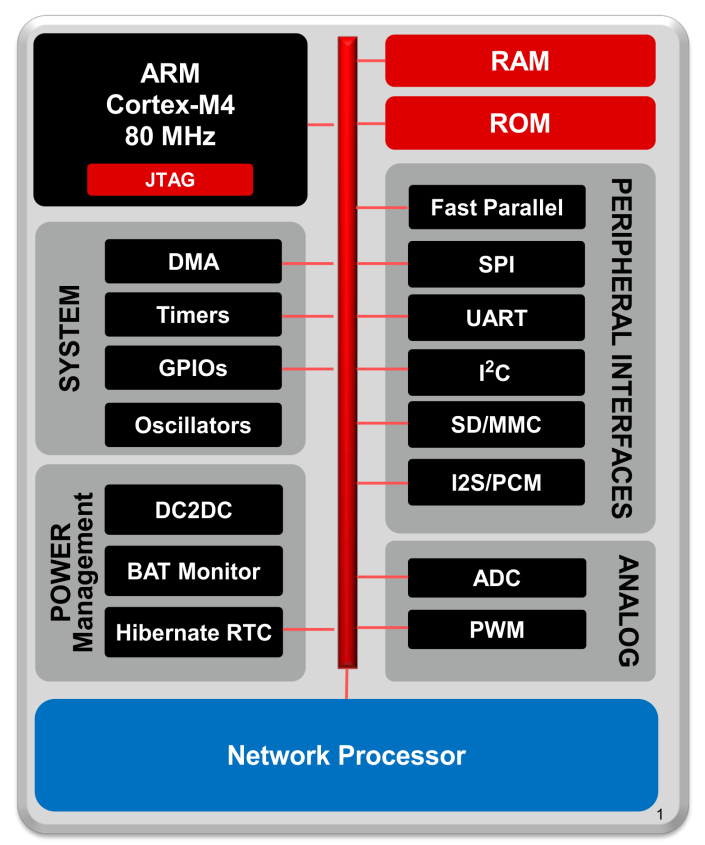
CC3200 Hardware Overview
3.1. Flexible Stereo Multi-Channel Audio Interface
The TI CC3200’s standout feature is its ability to simultaneously transmit two I2S stereo channels via the McASP data pins. The McASP architecture includes synchronized transmitter and receiver sections, allowing designers to flexibly program the polarities of the clock and frame-sync signals. This is crucial when connecting to high-end audio codecs or amplifiers to create true stereo sound.
While PCM interfaces typically handle mono-channel voice streams, the TI CC3200’s McASP architecture fully supports the I2S Stereo protocol (as illustrated in the diagram). The Word Select (WS) mechanism allows for clear separation of data between the Left and Right channels in real time. This enables the CC3200 to not only transmit voice but also perfectly meet the needs of high-fidelity wireless music streaming applications.
- WS (Word Select): This is the key signal that creates “Stereo”. When WS is low, it transmits data to the Left Channel; when WS is high, it switches to the Right Channel. The image clearly illustrates this transition.
- SCK (Continuous Serial Clock): The clock signal controls the transmission speed of each bit of audio data.
- SD (Serial Data): The actual audio data stream, transmitted in MSB (most significant bit) format first.
- Multi-channel capability: The image shows how data from the Left/Right channels are “lined up” sequentially on the same transmission line, explaining why the CC3200 can handle high-quality stereo audio.
3.2. Superior Speed and Accuracy
In the world of digital audio, clock speed determines resolution and sound quality. The TI CC3200 boasts impressive specifications with a maximum clock speed of 9,216 MHz in I2S transmission mode. Notably, it incorporates a dedicated fractional divider to generate precise bit-clocks for various sampling rates, minimizing errors and ensuring consistently clear audio signals.
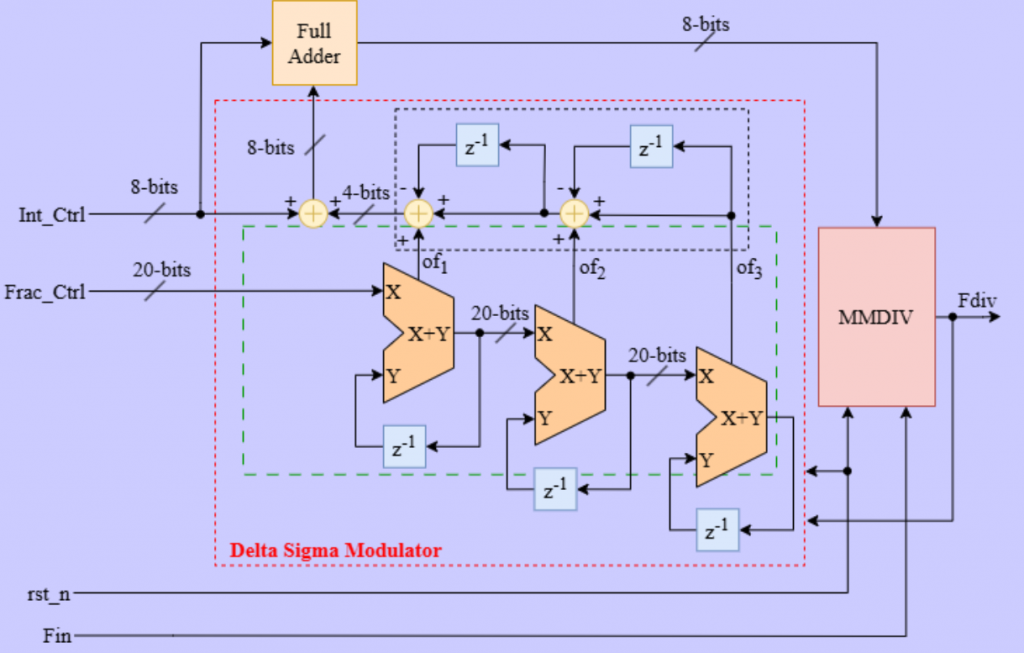
Block diagram of fractional frequency divider
3.3. Optimal Processing Performance ARM Cortex-M4-Core
The CC3200’s audio processing capabilities are powered by an ARM Cortex-M4 processor running at 80 MHz. This architecture allows the device to perform audio signal processing tasks (such as noise filtering and tone control) directly on the chip without overloading the system. Simultaneously, the CC3200 supports a 32-channel µDMA (Micro Direct Memory Access) controller, enabling direct audio data transmission between SRAM and the McASP port without constant CPU intervention. This mechanism not only reduces latency but also significantly saves power for battery-powered IoT devices.
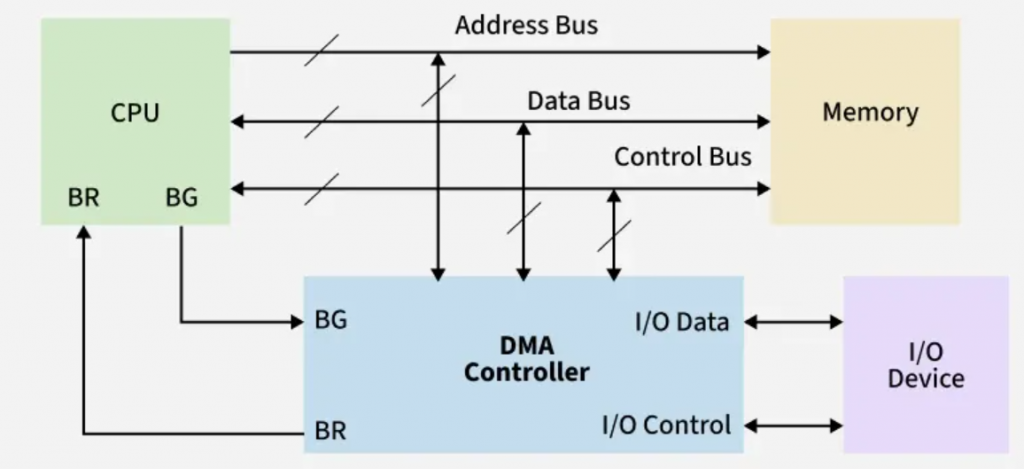
Block Diagram of DMA Controller
With support for both I2S and PCM standards, the TI CC3200 offers maximum flexibility for developers of smart Wi-Fi speakers, high-quality wireless alarm systems, and audio streaming applications.
4. Audio Specification Comparison Table between C10QM anh CC3200
Comparing these two solutions will give system engineers a more thorough understanding of each module’s ability to meet specific audio and voice requirements. Below is a summary of the most important technical specifications based on the manufacturer’s datasheet.
Based on the technical data above, we can draw two completely different approaches:
- The Cavli C10QM focuses maximally on telecommunication voice performance. Its PCM interface with a clock speed of 2048 kHz and a Sync frequency of 8 kHz is the “gold standard” for voice transmission standards in 4G/2G mobile networks. The architecture separates the audio pipeline to a dedicated DSP, ensuring absolutely stable voice connectivity regardless of the application CPU load.
- The TI CC3200, on the other hand, aims for a multimedia experience. With a McASP port supporting Stereo I2S and an extremely high clock speed (9.216 MHz), this module goes far beyond the limits of typical voice calls. The presence of a fractional divider allows the device to reproduce audio with multiple sampling rates with extreme accuracy, meeting the standards of wireless music playback devices.
5. Hardware Design Considerations for IoT Audio Interfaces
5.1. Hardware Design for Cavli C10QM (H3)
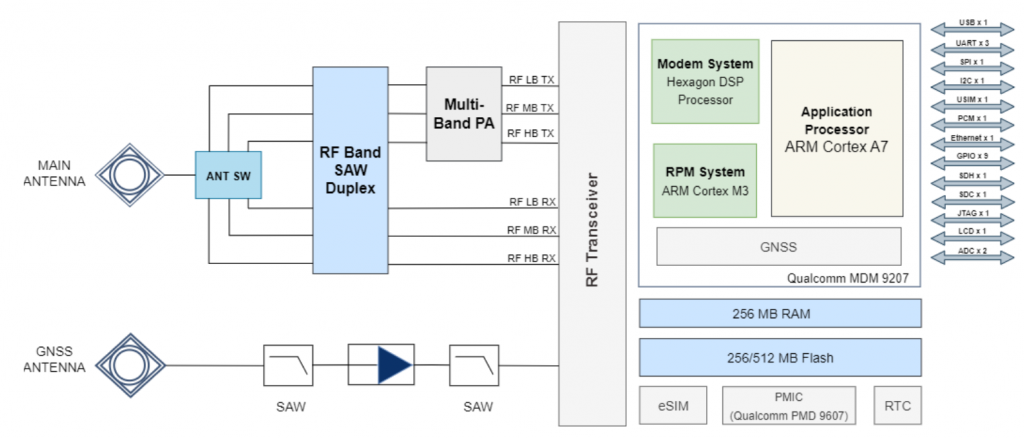
C10QM Functional Block Diagram
The Cavli C10QM module requires an external audio codec chip to convert digital data from the PCM interface to analog audio.
- PCM Pinout Diagram: Important signal pins to note include:
- PCM_SYNC (Pin 46): Data frame synchronization signal.
- PCM_DIN (Pin 47): Audio data input.
- PCM_DOUT (Pin 48): Audio data output.
- PCM_CLK (Pin 49): PCM synchronization clock.
Design Notes:
- The reference diagram recommends using 4.7K pull-up resistors connected to the VDD_1V8 power supply on the digital transmission lines.
- Audio signal lines should be laid out as short as possible to minimize electromagnetic interference (EMI).
- Use 1uF and 47uF capacitors in the Analog (Mic/Speaker) stage to filter low-frequency noise and stabilize sound quality.
5.2. Hardware Design for TI CC3200 (H3)
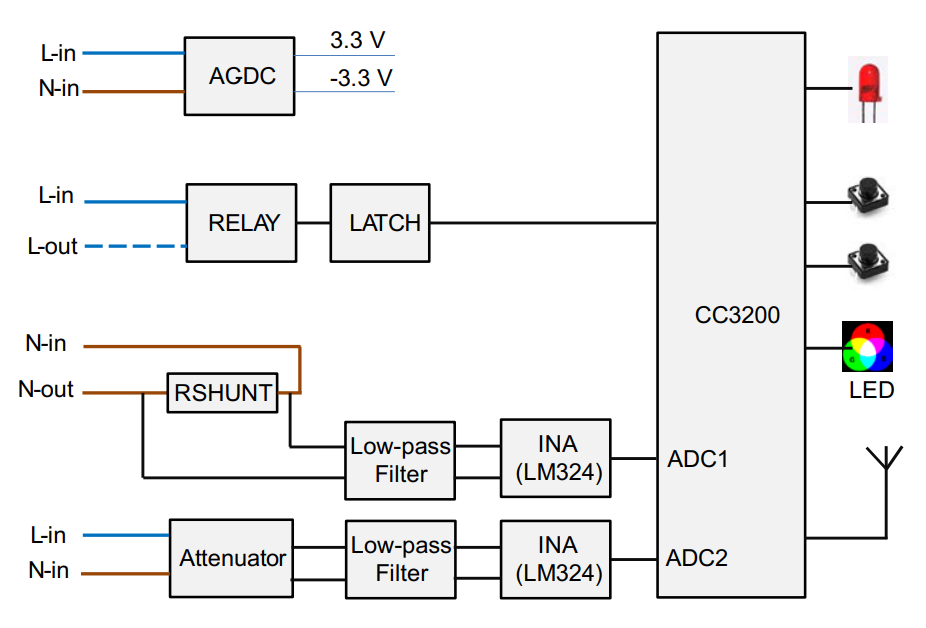
For the TI CC3200, the McASP interface offers high flexibility but also requires precise pin configuration (Multiplexing Pins).
Pin Configuration (Mux Pins): The McASP audio interface is multiplexed across multiple pins, for example:
- MCAFSX (Pin 45): Frame Sync signal.
- MCACLKX (Pin 62): Main clock for Audio.
- McAXR0/1 (Pins 50, 52): Multichannel audio data transmission.
Important Power Supply Note:
- The voltage at the digital pins must be compatible with VIO (typically 2.1V to 3.6V).
- TI recommends using 0.1uF and 10uF noise filter capacitors near the power supply pins to prevent interference from the RF Wi-Fi module from interfering with the audio transmission.
- Specifically, the nRESET pin must be kept low until the VBAT power supply stabilizes to ensure the Codec initialization process is correct.
5.3. General Noise-Resistant Layout Rules
From a hardware design perspective, managing electromagnetic interference (EMI) is crucial to ensuring accurate audio quality for IoT devices. Since both the Cavli C10QM and TI CC3200 integrate high-power radio transceivers (LTE and Wi-Fi), designers must strictly adhere to separating analog and digital signal areas on the PCB. Analog audio signal paths to speakers and microphones should be wired as short as possible, avoiding running parallel to or crossing high-speed data paths or areas near antennas to prevent RF interference.
Another important technique is designing a continuous and undivided ground plane beneath the codec chips and PCM/I2S transmission lines, acting as a shield to protect the signal from power supply interference. For high-speed clock lines like McACLK on the CC3200 or PCM_CLK on the C10QM, maintaining a stable line impedance of 50Ω minimizes signal reflections, thereby eliminating static or sudden sound loss. Finally, to enhance the electrostatic discharge (ESD) resistance of the audio interface, the addition of low-parasitic ESD protection devices (such as TVS diodes) is essential to protect the module from physical damage during real-world use.
6. Choosing the Right Audio Interface for IoT Applications
The decision to use Cavli C10QM or TI CC3200 depends not only on technical specifications but also on the operating environment and user experience goals. Each module line is designed to address specific problems within the IoT ecosystem.
6.1. When should you prioritize Cavli C10QM?
You should choose Cavli C10QM for applications requiring high mobility and wide-area connectivity via 4G LTE or 2G mobile network infrastructure. With its separate audio pipeline architecture and PCM communication supporting telecommunication standards such as A-law/U-law, this module is an ideal choice for emergency communication (SOS) systems, elevator intercoms, or vending machines with integrated online voice support. The ability to operate stably in the industrial temperature range from -30°C to +85°C ensures the C10QM operates reliably even in the harshest environments. In particular, if your device needs to make traditional voice calls (VoLTE) without interruption from heavy application processing tasks, the Qualcomm Hexagon DSP architecture inside the C10QM will ensure audio latency is always kept to a minimum.
6.2. When is the TI CC3200 the perfect choice?
Conversely, the TI CC3200 shines in high-quality audio application scenarios (Wireless Audio) within a local Wi-Fi network. Thanks to its powerful McASP interface supporting Stereo I2S audio with clock speeds up to 9.216 MHz, the CC3200 is extremely suitable for developing smart speakers, wireless music streaming devices, or smart home automation systems requiring high-quality voice interaction. With the advantage of a built-in TCP/IP stack and WPA2 Enterprise security support, the CC3200 allows you to build secure audio solutions over IP networks without the need for additional external processors, optimizing the size and cost of battery-powered handheld devices thanks to its low power consumption of only about 4 μA in Hibernate mode.
7. Conclusion: The Future of Wireless Audio Solutions in IoT
The decision between the Cavli C10QM and the TI CC3200 is not simply a matter of choosing between LTE Cat 1 mobile connectivity or Wi-Fi wireless networking. Essentially, this is a problem of choosing an audio processing architecture that best suits the product’s ultimate goal. If your project prioritizes absolute stability and wide-area communication capabilities, the Cavli C10QM with the Qualcomm MDM 9207 chipset is the top choice. This module’s architecture completely separates the audio pipeline via a Hexagon DSP processor, ensuring smooth voice data flow on a dedicated “priority lane,” unaffected even when the Cortex A7 application processor is overloaded. Conversely, the TI CC3200 excels in home entertainment and local area network applications thanks to its McASP interface supporting two I2S Stereo channels. With a maximum clock speed of up to 9,216 MHz, the CC3200 allows for high-quality, high-resolution audio transmission, making it an ideal processing center for wireless speaker systems or smart home systems.
From a hardware design perspective, regardless of the module chosen, optimizing the codec layer still requires strict engineering principles. For the Cavli C10QM, since the module only provides a digital PCM port and does not have a built-in analog codec, designers need to pay special attention to selecting a suitable external codec chip to ensure compatibility with Master/Slave modes and 16-bit linear formats. During PCB layout, PCM or I2S signal paths must be kept as short as possible to minimize jitter and crosstalk from RF blocks. Simultaneously, the use of ceramic noise filter capacitors (such as 33pF, 10pF, 100nF) placed near the VCC power supply pin is mandatory to maintain stable voltage, avoiding unwanted audio distortion during high-speed data transmission and reception.
In short, the future of IoT is strongly shifting towards intelligent voice and audio interaction. A thorough understanding of the Cavli C10QM’s discrete pipeline architecture or the TI CC3200’s flexible multi-channel capabilities will enable businesses to build solutions that are not only robust in data but also excel in audio experience. Investing appropriately in hardware design and selecting the right modules from the outset will be key to ensuring your product meets carrier approval standards and earns the trust of end consumers.